
Who's responsible for changing locks when you move into a rental flat in Singapore
By Jacky Lee · Updated 2026-07-13
This is general information about common rental practices in Singapore, not legal advice. Your specific tenancy agreement governs your situation, and a property agent or lawyer can advise on anything not clearly covered by it.
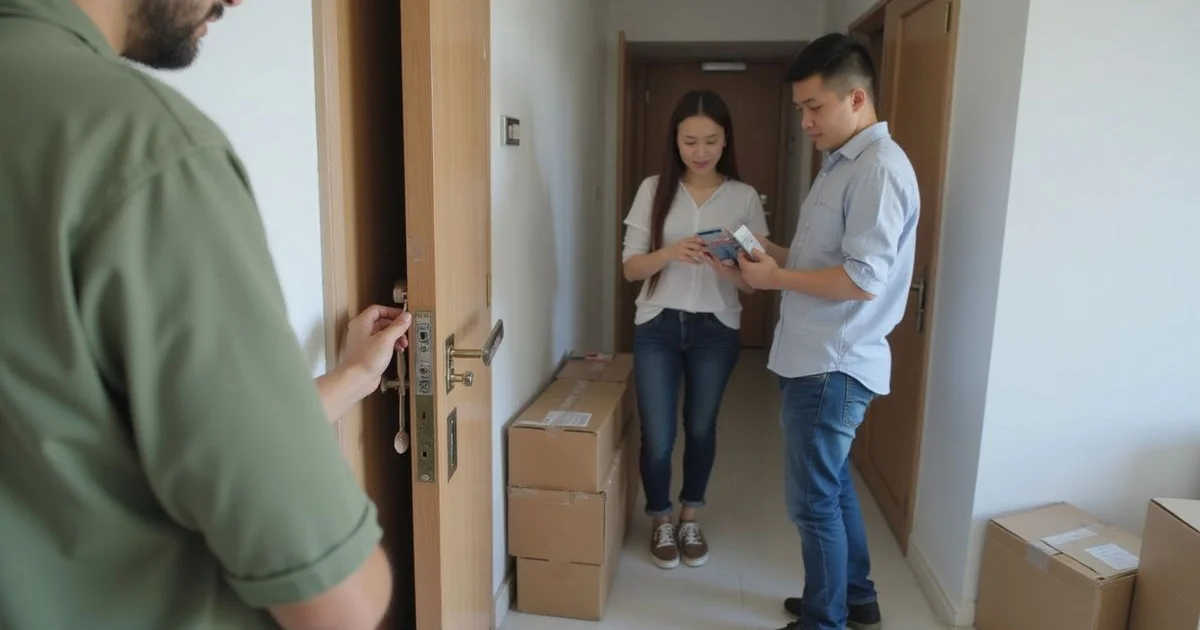
Moving into a rental flat raises a practical question that often gets overlooked until it’s too late: who has copies of your keys, and should the locks change before you move in? The answer depends partly on what’s agreed in writing and partly on common practice that isn’t always spelled out.
What tenancy agreements typically cover
Many standard tenancy agreements in Singapore don’t explicitly state who pays for a lock change at the start of a tenancy. Where they’re silent, it usually comes down to what’s agreed between landlord and tenant, which makes it worth raising as a specific question before you sign rather than assuming either way.
Some landlords change the locks between tenants as standard practice, particularly for units that have had several previous occupants. Others expect the incoming tenant to arrange it themselves if they want it done. Neither approach is universally “correct”, it varies by landlord and by property agent.
Why you might want the locks changed regardless of who pays
You don’t know how many sets of keys exist for a flat that’s had previous tenants, past cleaners, or previous owners in the case of a resale unit. This isn’t about assuming bad intent from anyone, it’s simply that key copies accumulate over years of a property changing hands, and there’s no reliable way to account for all of them.
Raising this before you move in, rather than after, gives you more room to negotiate who covers the cost. Some landlords are open to splitting it or covering it themselves if you ask early and explain your reasoning.
| Scenario | Common approach |
|---|---|
| New tenancy, agreement is silent on lock changes | Negotiate before signing; costs are often split or tenant-covered |
| Resale flat with multiple past owners | Tenant or new owner often requests a change as a security precaution |
| Landlord already changes locks between tenants | No action usually needed, but confirm this is actually done |
| Digital lock already installed by landlord | Ask for codes to be reset rather than replacing hardware |
If you decide to change the locks yourself
Let your landlord know before you do it, even if you’re covering the cost. Some agreements require you to provide a spare key or code for emergency access, and skipping this step can create a dispute later that has nothing to do with the lock itself. Rekeying, rather than replacing the whole lock, is usually the cheaper option if the existing hardware is in good condition, since it keeps the same lock body but changes which keys work.
At the end of your tenancy
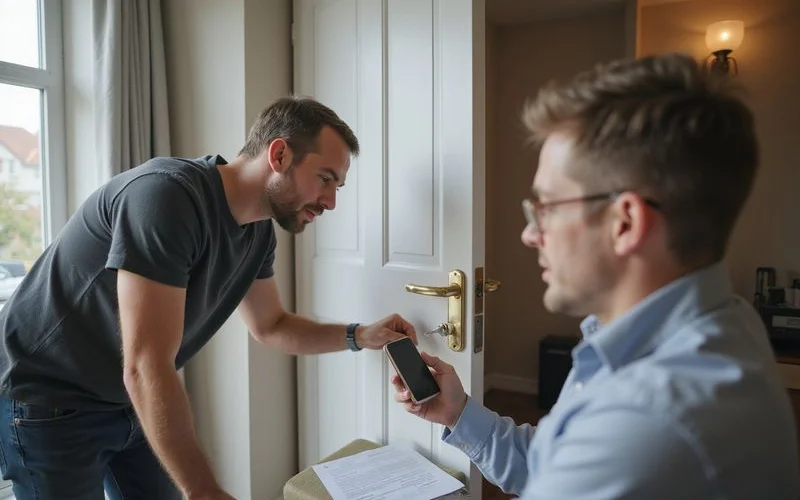
If you changed the locks during your tenancy, check your agreement for what’s expected when you move out. Most arrangements expect either the original lock to be restored or the new keys to be handed over to the landlord, since the flat needs to be secured for the next occupant or the owner. Sorting this out at the start of the tenancy, in writing if possible, avoids a disagreement over a security deposit later.
Getting the lock work done
Once you’ve agreed who’s paying and what needs to happen, a residential locksmith can rekey or replace the lock, usually within a single visit. Our residential locksmith category lists reviewed providers across Singapore who handle this regularly, and our ranking method explains how we score them on pricing and reliability.
For anything your tenancy agreement doesn’t clearly address, browse Singapore Locksmith Guide for other locksmith guides, but the specifics of your situation are always worth confirming directly with your landlord or agent.
Frequently asked questions
- Does my tenancy agreement usually say who pays for a lock change?
- Some do, many don't mention it explicitly. Where it isn't specified, it typically becomes a matter of what's agreed between landlord and tenant, so it's worth raising before you sign rather than after you move in.
- Can I change the locks without asking my landlord?
- It's best practice to inform your landlord first, even if you're paying for it yourself, since they may need access for maintenance or in an emergency, and some agreements require you to hand over a spare key.
- Should I ask for the locks to be changed if I don't know who else has keys?
- This is a reasonable request, especially for a resale flat or a unit that's had previous tenants. Raising it before you move in is easier than trying to arrange it once you're already settled.
- What happens to the lock change cost when I move out?
- If you changed the locks during your tenancy, most agreements expect you to either restore the original lock or hand over new keys to the landlord at the end, unless otherwise agreed.