
Locked out: DIY fixes vs when to call a locksmith
By Jacky Lee · Updated 2026-07-03
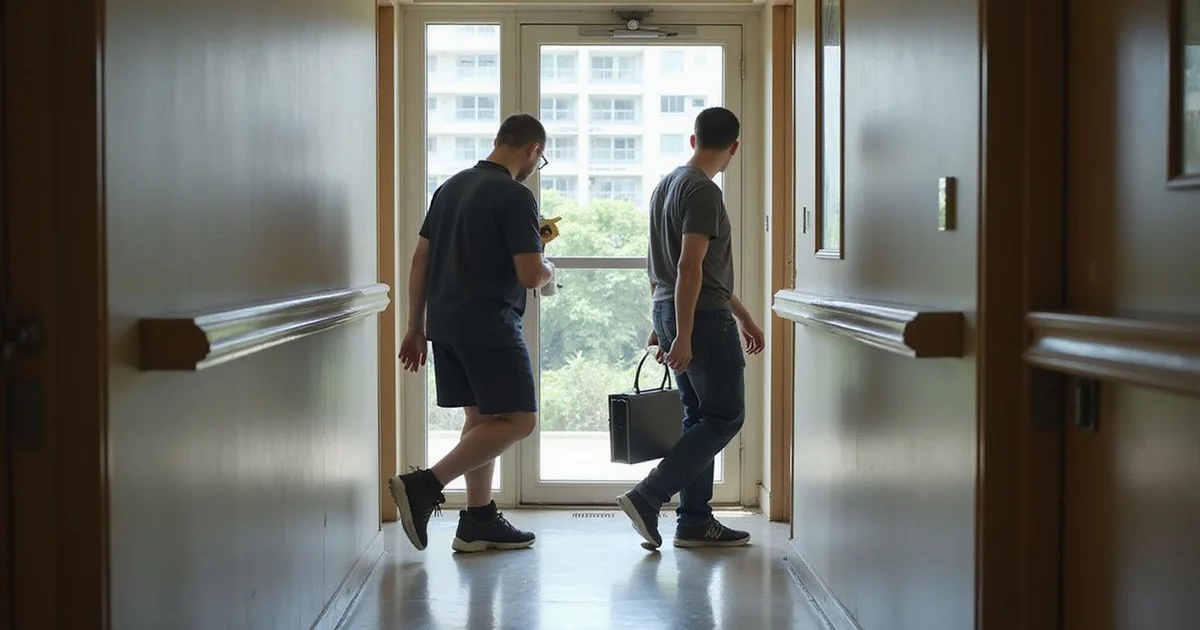
Standing outside a locked door, it’s tempting to try the card trick you saw online before spending money on a locksmith. Sometimes that’s a completely reasonable first move. Other times it turns a simple lockout into a damaged door and a bigger bill than if you’d just called someone from the start. The difference comes down to the type of lock and how far you’re willing to push it.
When a DIY attempt is genuinely low-risk
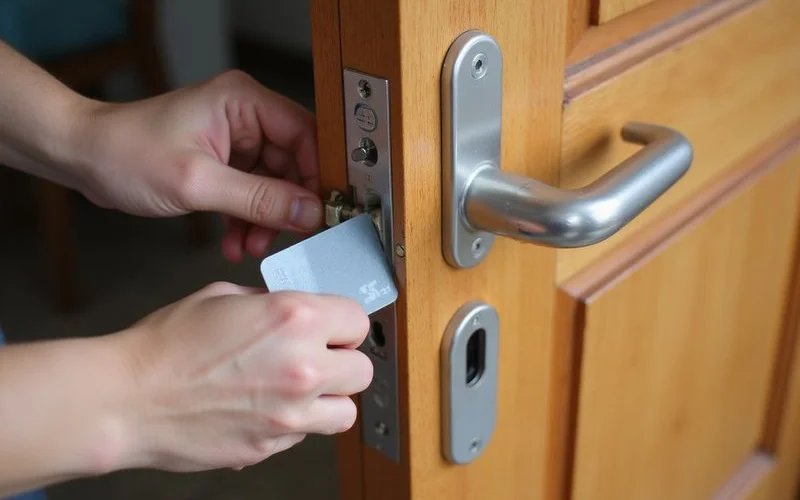
A basic spring latch, the kind found on many older internal doors and some older front doors, can sometimes be opened by sliding a thin, flexible card between the door and the frame to push the latch back. This works because a spring latch is designed to retract under pressure, so a card doing that job isn’t forcing anything that wasn’t meant to move.
This method has real limits. It only works on spring latches, not deadbolts, and it doesn’t work at all on doors that open outward or have a strike plate that blocks the gap. If the card slides in but nothing happens after a reasonable attempt, that’s your signal to stop rather than push harder.
Where DIY starts to cause more harm than good
Deadbolts don’t respond to the card trick because there’s no spring to push, just a solid bolt that has to be retracted deliberately. Trying to force one anyway, with a card, screwdriver, or anything not designed for the lock, usually just scratches the door frame or bends the tool without opening anything.
Digital and smart locks are an even worse DIY candidate. Prying at a keypad or fingerprint scanner risks damaging the electronics or the mounting, which turns a simple access problem into a full replacement. If a digital lock has failed or you’re locked out because of it, that’s a job for someone who can diagnose whether it’s a battery, sensor, or mechanical issue.
| Situation | DIY worth trying | Call a locksmith instead |
|---|---|---|
| Basic spring latch, inward-opening door | Yes, low risk | If it doesn’t work after one or two tries |
| Deadbolt or multi-point lock | No | Yes |
| Digital or smart lock malfunction | No | Yes |
| Key broken off inside the lock | No | Yes |
| Already attempted force and something feels stuck | No | Yes, immediately |
The real cost of getting it wrong
No lock damage during the opening process is one of the most repeated praise points for locksmiths who do the job well, which says something about how often the alternative goes wrong. A scratched frame or a bent latch from a failed DIY attempt often costs more to repair than the original locksmith callout would have.
There’s also a time cost. A locksmith with picking tools and experience can usually open a standard lock without damage in well under half an hour. An amateur attempt with a card or bent wire can drag on far longer with no guarantee of success, and you’re often no closer to being inside when you finally give up.
A reasonable approach
Try the low-risk option once, briefly, if your lock is a simple spring latch and you’re not going to damage anything in the attempt. If it doesn’t work within a couple of minutes, or your lock is anything more complex than that, stop and call a locksmith rather than escalating to more forceful methods.
Our locksmith directory lists reviewed providers across Singapore by category, and our ranking method explains how factors like no-damage entry and response speed feed into each provider’s score, so you know who to call when the DIY option isn’t the right one.
Knowing the difference between a genuinely low-risk fix and a lock that needs a professional saves both money and frustration, and avoids turning a two-minute problem into an afternoon one.
Frequently asked questions
- Is it safe to try opening my own lock with household items?
- For a simple spring latch, sliding a thin, flexible card between the door and frame is low-risk and reversible if it doesn't work. Anything involving force, prying, or tools not designed for locks risks damaging the door or the lock body.
- Can I pick my own lock if I have a spare set of picks at home?
- Technically yes, though it takes practice most people don't have. Without that practice, you're more likely to jam the lock further than to open it, which turns a simple lockout into a repair job.
- When is it not worth attempting a DIY fix at all?
- Digital locks, multi-point deadbolts, and any lock you've already tried to force are not good DIY candidates. A locksmith with the right tools will usually get you in faster and without damage.
- What if I try a DIY method and it doesn't work?
- Stop before you cause damage. If the door or lock feels stuck or you've bent something trying to get in, call a locksmith rather than continuing to force it, since repair costs more than opening it properly the first time.