
Helping an elderly parent with a lockout or a home lock upgrade
By Jacky Lee · Updated 2026-07-22
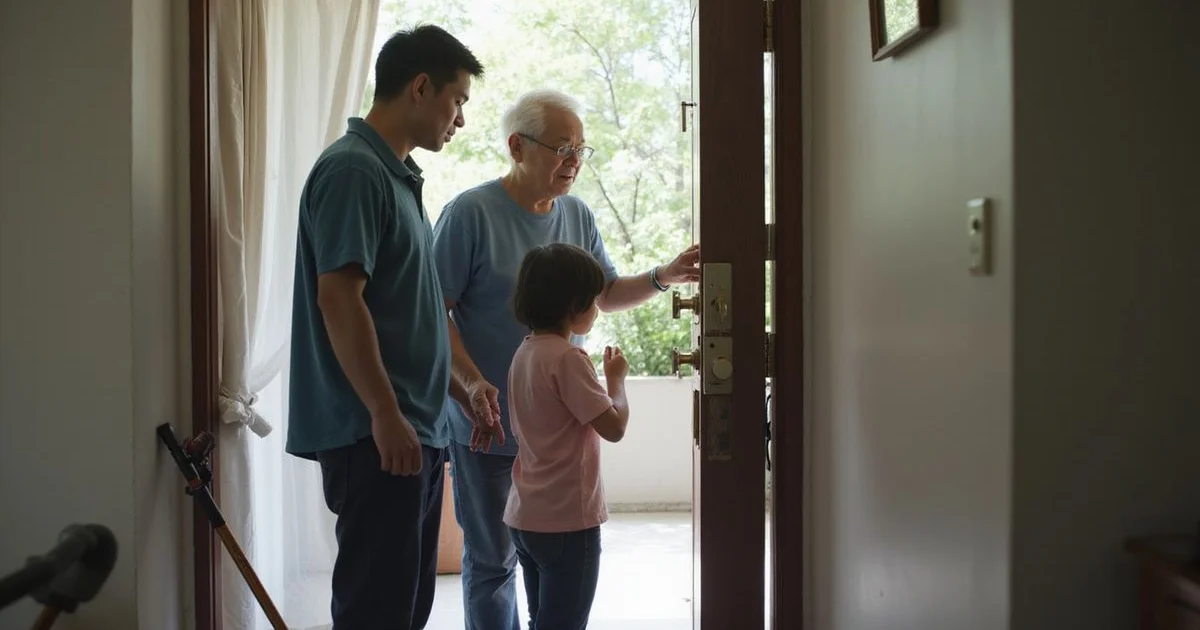
A parent getting locked out isn’t just a logistics problem, it usually comes with worry: are they stuck outside in the heat, are they anxious, is this happening more often than it used to. Helping them through it, or getting ahead of it with a lock upgrade, is a little different from sorting out your own lockout.
Why this situation feels different
When it’s your own lockout, you’re mostly thinking about time and cost. When it’s a parent’s, there’s often an added layer: concern about their wellbeing while they wait, and sometimes a quieter worry about whether frequent lockouts point to something changing, like memory or mobility becoming more of a factor day to day.
It’s worth naming that directly rather than treating every lockout as a one-off. If it’s happened more than once or twice recently, that’s useful information for deciding whether a different kind of lock, rather than another one-off locksmith visit, might help going forward.
Getting through the immediate lockout
If your parent is locked out right now, the priority is getting them somewhere comfortable while help is on the way, whether that’s a neighbour’s flat, a nearby coffee shop, or simply out of direct sun if it’s daytime. Call a locksmith who can confirm a realistic arrival time, and pass that estimate along so your parent isn’t wondering how much longer to wait.
Have their address and unit details ready, and if you can’t be there yourself, let the locksmith know someone else (a neighbour, or your parent themselves) will confirm identity and ownership on site, since that verification step is standard practice and not something to skip even in an urgent situation.
Thinking beyond the immediate fix
If lockouts have become a pattern, it’s worth a conversation about what would genuinely help. This isn’t about taking away independence, it’s about making daily access easier so a lockout doesn’t become a regular event.
| Option | Might help if… |
|---|---|
| Digital lock with PIN or fingerprint | Keys are frequently forgotten, misplaced, or hard to manage physically |
| Spare key with a trusted neighbour | Your parent lives alone and you’re not always nearby |
| Simplified keyring with a single, larger key | Fumbling with multiple keys is the main issue, not memory |
| Saved locksmith number in their phone, clearly labelled | They’re comfortable calling for help themselves when needed |
A digital lock isn’t automatically the right answer for everyone. Some elderly users adapt to it easily and prefer never carrying a key again. Others find a new interface more confusing, at least at first. Talking it through together, rather than deciding for them, tends to get a better result. If a recent break-in is part of what’s driving the upgrade rather than routine forgetfulness, our guide on securing a home after a break-in covers the wider checklist beyond just the lock itself.
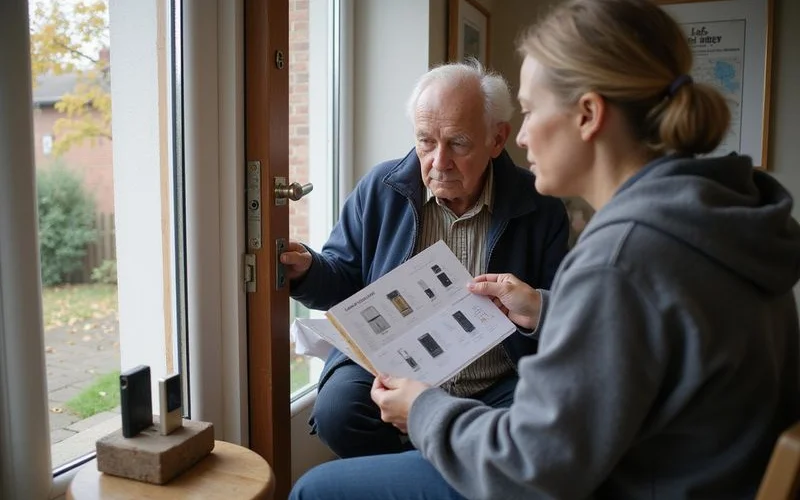
If you decide on a lock upgrade
Involve your parent in choosing the lock, even if you’re the one arranging the visit and paying for it. A model they find comfortable and understand how to use is worth more than the most feature-rich option on paper. Ask the installer to walk through the setup with your parent directly, not just with you, so they’re confident using it once you’ve left.
Friendly and patient staff during setup is one of the more consistently praised qualities among Singapore locksmiths, which matters even more here than in a standard installation, since a rushed walkthrough helps no one.
A quiet backup plan
Even with a good lock setup, it helps to have a low-key backup that doesn’t rely on calling a locksmith every single time. A spare key left with a sibling, a trusted neighbour your parent has known for years, or a nearby family member covers the gap between “locked out” and “help arrives” without adding cost or waiting time. This works best when it’s set up calmly, in advance, rather than arranged in the middle of an actual lockout when everyone’s a little more stressed than usual.
Finding the right provider
Our homepage lists reviewed locksmiths across Singapore by category, whether you need an emergency lockout resolved today or want to plan a lock upgrade for next month. Our ranking method explains how factors like patience, clear communication, and reliability feed into each provider’s score, which are exactly the qualities worth prioritising for a parent’s home.
Frequently asked questions
- My elderly parent forgets their keys often, what's a good fix?
- A digital lock with a PIN pad or fingerprint scanner removes the need to carry a physical key at all, which solves the most common cause of these lockouts. Choose a model with a simple interface and a physical key backup for peace of mind.
- Should I be present when the locksmith visits my parent's flat?
- It helps, especially for a lock upgrade, since you can ask questions about maintenance and make sure the setup genuinely works for your parent day to day, well beyond installation day.
- Is a digital lock harder for an elderly person to use than a normal key?
- It depends on the model and the person. Some elderly users find a fingerprint scanner easier than fumbling with a key, especially with reduced grip strength or eyesight. Others prefer the familiarity of a physical key. It's worth discussing preferences before choosing.
- What if my parent lives alone and gets locked out when I'm not around?
- Keep a locksmith's number saved in their phone under a clear label, and consider leaving a spare key with a trusted neighbour or nearby family member as a backup that doesn't rely on a callout every time.