
Choosing a commercial locksmith for your small business
By Jacky Lee · Updated 2026-08-09
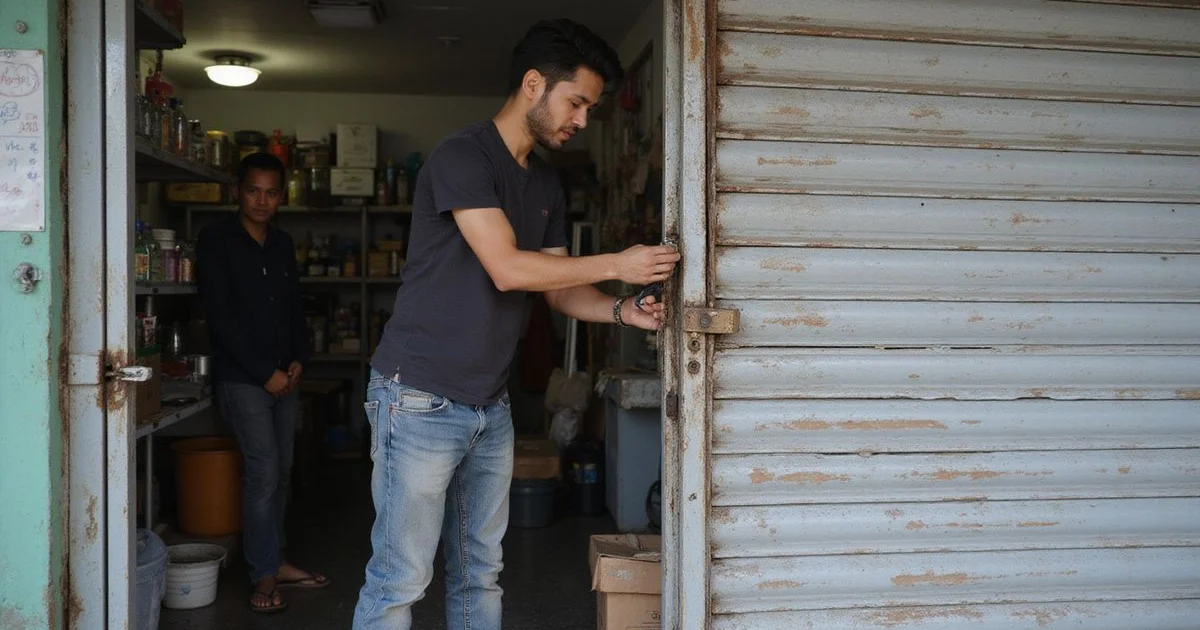
Most small business owners only think about a commercial locksmith when something goes wrong: a break-in, a jammed shutter, a staff member who left with a key. Setting up a relationship with one before that happens tends to save time, money, and stress when it actually matters.
Why an ongoing relationship beats a one-off call
A locksmith who’s already familiar with your shop’s layout, hardware, and access needs can respond faster and more accurately in an emergency than someone seeing your premises for the first time. They also tend to catch small issues (a worn lock, an access card system due for a check) before they become bigger problems, since they’ve got context from previous visits.
This matters more for businesses than homes because commercial premises often have more access points, more people needing entry, and higher stakes if something goes wrong outside business hours.
What commercial locksmith work actually covers
Beyond routine lock changes, commercial locksmith work for small businesses commonly includes master key system setup, access control and card reader installation, panic bar and fire-rated door hardware, rekeying after staff turnover, and safe or cabinet lock work if you handle cash or sensitive documents on site.
| Need | When it applies |
|---|---|
| Master key system | Multiple access points or staff needing different access levels |
| Access control (card or code entry) | Frequent staff changes, or you want an audit trail of entry times |
| Rekeying after staff turnover | Whenever someone with key access leaves the business |
| Panic bar or fire door hardware | Required for many commercial premises under fire safety rules |
| Safe or cabinet locks | If cash, documents, or valuables are kept on site |
Not every business needs all of these. A single-unit shop with one or two staff members has very different needs from a multi-floor office or a chain with several outlets.
Handling staff turnover properly
Rekeying after an employee with key access leaves is one of the most overlooked routine tasks in small business security. It’s easy to assume a returned key is enough, but if you’re not fully confident all copies were accounted for, rekeying closes that gap for a relatively small cost. Some businesses with regular staff turnover find it simpler to rekey on a fixed schedule rather than reacting every time, which also avoids the awkwardness of treating every departure as a security concern.
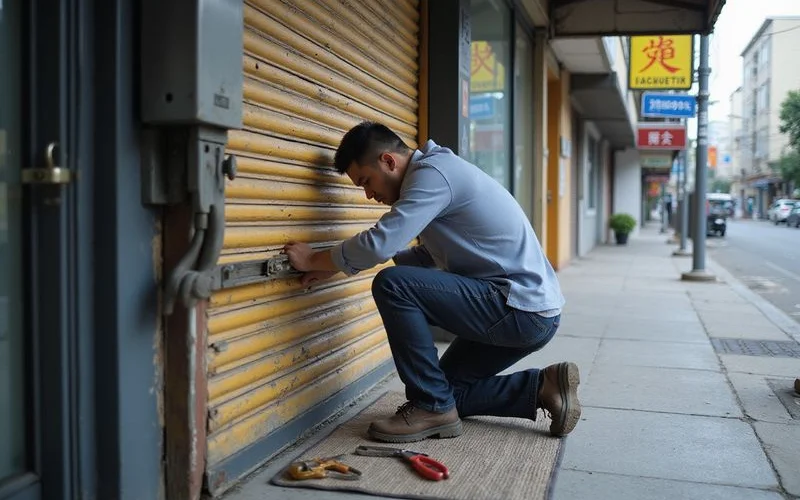
What to check before committing to a provider
Ask about their experience with businesses your size specifically rather than their general commercial portfolio, since a locksmith used to large office towers may approach a small shopfront differently than one who regularly works with independent retailers. Confirm their response time for genuine emergencies, whether they carry stock or spare parts for your existing hardware brand, and whether quotes are given clearly before work starts rather than after.
Licensing and insurance are also worth confirming upfront, particularly for any access control or electronic work, since you want assurance the installation meets relevant standards for your type of premises.
Budgeting for ongoing security, not just repairs
Treating locksmith work as a recurring, small line item rather than an occasional emergency expense tends to work out cheaper over a year. A scheduled rekey after staff changes, a periodic check of access control hardware, and a known provider who already has your details on file all add up to less disruption than waiting until something breaks and needing an unfamiliar locksmith at short notice. This is especially worth planning for if your business has predictable seasonal turnover, since you can time routine security checks around it rather than reacting each time. For your own home rather than the shop, our guide to affordable locksmith help covers the same kind of cost-saving habits.
Setting things up before you need them
The best time to establish this relationship is before an emergency forces the decision. Get a locksmith out for a routine assessment or a smaller job first, see how they communicate and price the work, and you’ll have a much better sense of whether they’re the right fit for the bigger jobs down the line.
Our commercial locksmith category lists Singapore providers experienced with small business work, scored through our ranking method on responsiveness and workmanship. Our homepage covers other locksmith topics if you’re also handling a mix of commercial and personal security needs.
Frequently asked questions
- Do I need a master key system for a small shop?
- Not necessarily. Master key systems make the most sense once you have several access points or staff members who each need different levels of access. A single-unit shop with one or two staff may not need the complexity.
- What should I ask a commercial locksmith before hiring them ongoing?
- Ask about their experience with businesses your size, response times for emergencies, whether they stock parts for your existing hardware, and whether they can quote clearly before starting work.
- How often should I rekey after staff turnover?
- Whenever someone with key access leaves, especially if the relationship ended on bad terms or you're not fully confident all keys were returned. For businesses with regular turnover, some owners rekey on a set schedule instead of after every departure.
- Is it worth using the same locksmith for routine maintenance and emergencies?
- Generally yes. A locksmith who already knows your premises, hardware, and access setup can respond faster and more accurately than one starting from scratch during an urgent callout.